Human teeth and their individual functions have long been the subject of study, with all teeth on the upper and lower jaw helping people to tear food, chew food and otherwise assist in grinding the food down. The teeth are a hardened, calcified substance that is present on most vertebrates and are covered by the gums.
Over your lifetime you will develop various types of teeth, with different types of teeth occurring in certain periods of development. Teeth types include the following:
We offer a range of treatment and check up options for various types of teeth at our Brighton and Hove clinic, where we specialise in treating nervous patients. Our supportive team members are ready to help with many dental issues, you will see they are eager to assist when you get in touch to book an appointment today.
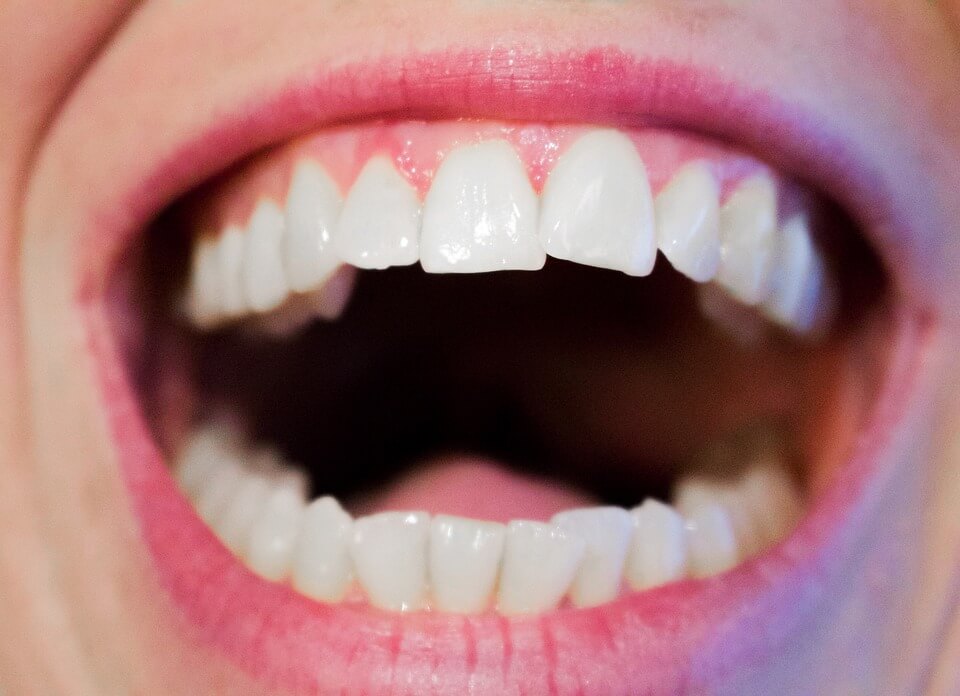
If you understand the different types of teeth and how they work you can be more on top of your dental health. Oral hygiene can seem complex and even scary at times. But with a better knowledge of your teeth, you are more likely to make healthy choices and spot any potential problems before they arise.
No matter what type of teeth you are having a problem with, visiting a dentist is the best possible option. The following are some more details on human teeth types:
There are several different types of molars including the following:
The only non-functional teeth in the mouths of humans are the wisdom teeth, which experts now believe are the vestigial leftovers of our ancestors. They are not necessary and many people have them removed, sometimes due to tooth pain.
During earlier stages of evolution, such as pre-historic and hunter-gatherer times, it was much more likely that people would consume very rough and coarse foods. Coarse foods like grains thereby needed strong, large wisdom teeth to consume.
The four types of teeth are incisors, molars canines and wisdom teeth – but there are a few subcategories of teeth within each of them, most notably the molars. Children also have their baby teeth, or ‘primary teeth’, which fall out by age 12. For adult teeth, people develop their final wisdom teeth at around 20 years old.Although there are various types of teeth, the teeth are mostly there to cut, tear and grind food. We can check, straighten and restore all types of teeth at our Brighton and Hove clinic – where we specialise in treating nervous patients. Please feel free to get in touch with us if you have any questions or to book.
The following are some common questions and frequently asked questions about types of teeth and the services we provide:
Get in touch with us to book an appointment today.
BACK TO BLOG






 INSTAGRAM